
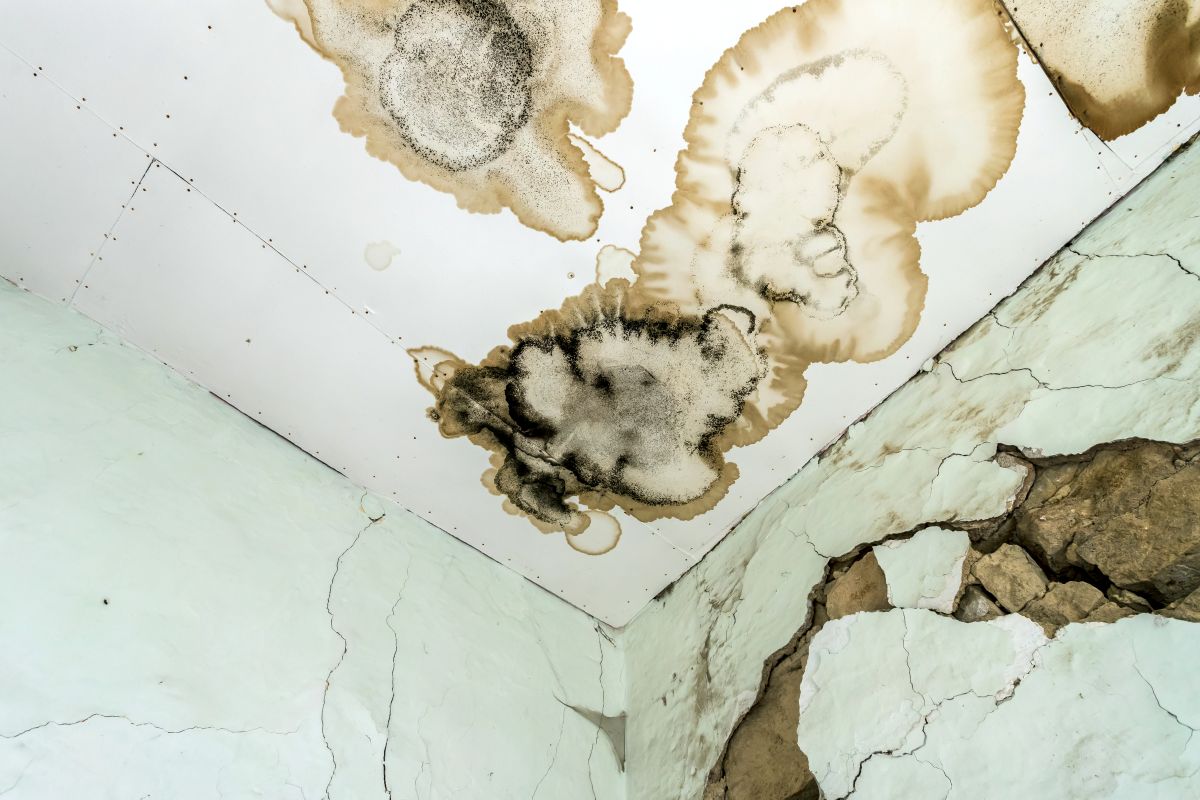
Quick answer: In Calgary, a mould inspection with lab testing typically costs $300 to $800, and clearance testing after remediation typically costs $200 to $600 or more. These are typical ranges; every job is quoted after an inspection. If you can already see mould, you usually don’t need a test to know it has to come out.
Most people book a mould test because something feels off: a musty smell in the basement, a stain that keeps coming back, or a leak that was never quite dried out. This guide covers what you’re paying for, how the different tests compare and when testing is worth the money. If you already know you have mould, our mold remediation and removal service in Calgary starts with an inspection anyway.
How Much Does Mold Testing Cost in Calgary?
Here are the typical Calgary ranges from our mould remediation cost guide, with what each one usually includes.
| Service | What it usually includes | Typical cost (CAD) |
|---|---|---|
| Mould inspection and testing | Visual inspection, moisture readings, samples analyzed by a lab | $300–$800 |
| Post-remediation clearance testing | Inspection and sampling after removal to confirm the mould is gone | $200–$600+ |
| Small patch remediation (about 10 sq ft) | Containment, removal and cleaning | $800–$1,500 |
| Basement wall mould (30–50 sq ft) | Containment, removal of affected drywall and insulation, cleaning | $2,500–$5,000 |
| Full attic remediation | Containment, removal and cleaning across the attic | $8,000–$15,000+ |
Where a price lands depends mostly on the number of samples, the number of areas and access. One basement room sits at the low end; a whole house with a crawl space and attic sits higher.
What about mold testing and removal together?
Budget for them separately. Testing is a one-time cost up front, while removal is priced by the size of the area, the materials involved and access. Mould on 30 to 50 square feet of basement wall, for example, typically costs $2,500 to $5,000 to remediate, plus clearance testing afterward if you want it. When the remediation company inspects, its findings feed straight into the removal quote.
What Happens During a Mould Inspection?
A good inspection is mostly about moisture, not mould. Mould only grows where something stays wet, so the real job is finding where water is getting in, how far it has spread and which materials it has reached. Sampling comes after that, and only if the answer will change the plan.
Visual inspection
The inspector looks for staining, visible growth, peeling paint, warped baseboards and water marks, and asks about past floods, sewer backups, leaks and renovations. A musty smell is a clue in itself. In most Calgary homes, that means checking the basement, bathrooms, under sinks, around windows and the attic.
Moisture mapping
Moisture meters measure how wet drywall, wood and subfloor are, and readings across a wall or floor map the edges of the damp area. That shows how much material is likely affected, which drives the size of the job far more than any lab result. Our timeline of how fast mould grows after water damage explains why those damp edges matter.
Thermal imaging
Some inspectors also use an infrared camera, which shows temperature differences on a surface. Damp areas often show up cooler, so it’s a quick way to scan a wall or ceiling. It can’t see mould or see through walls, though, so anything it flags still needs a moisture meter reading.
Air Sampling vs Surface Sampling: What’s the Difference?
Air samples show what’s floating in the air. Surface samples show what’s on a specific material. Each answers a different question.
| Method | How it works | What it tells you | Limits |
|---|---|---|---|
| Air sample (spore trap) | A pump draws a measured volume of air through a cassette, indoors and outdoors for comparison | Whether indoor spore levels and types differ from outdoor air | A snapshot that changes hour to hour; doesn’t show where mould is growing |
| Tape lift | Clear tape is pressed on a stain and examined under a microscope | Whether a stain is mould growth or just dirt, soot or dust | Only describes that one spot |
| Swab | A sterile swab is wiped across a surface | Similar to a tape lift; handy on rough surfaces | Only describes that one spot |
| Bulk sample | A small piece of drywall, carpet or insulation goes to the lab | Whether growth has gone into the material, not just onto it | Means cutting out a piece |
Health Canada is direct about air tests: it does not recommend testing the air for mould in most situations, because an air test can’t predict health effects and says little about the cause. It does note that a qualified professional may recommend one when concerns remain after an inspection, especially after flooding or leaks that may have reached wall cavities.
What Does a Mould Lab Report Tell You?
A lab report lists the types of mould in each sample, usually identified to a group rather than an exact species, with counts or a rating of how much was present. For air samples, the comparison is what matters: indoor results much higher than outdoors, or dominated by types that aren’t common outside, suggest an indoor source. A tape lift showing active growth confirms a stain is mould.
What a report can’t do is predict whether the mould will make anyone sick. Health Canada notes that in most cases there’s no need to measure mould levels in indoor air or to determine the specific species of mould. The real answer to “how bad is it?” usually comes from the moisture map and from opening up the affected area.
When Is Mould Testing Worth It, and When Isn’t It?
Testing is worth paying for when the answer will change what you do. Common examples:
- You smell mould but can’t see it, and want to know whether it’s inside a wall
- A leak or flood soaked a finished basement and you’re deciding how much to open up
- You’re buying or selling a home and want documentation
- Your insurer, landlord or condo board has asked for results
- Remediation is finished and you want clearance testing before walls are closed
Testing usually isn’t worth it when you can already see the mould. Visible growth on drywall already tells you the plan: find the moisture source and remove the mould safely. Knowing the species won’t change how it’s removed. The same goes for black mould in a basement: dark colour alone doesn’t tell you the type, and all indoor growth is removed the same way.
Are DIY Mould Test Kits Worth It?
Most home kits work by leaving an open dish of growth medium out for a set time, then watching what grows. Mould spores are a normal part of indoor and outdoor air, so almost every dish grows something. A kit can’t tell you how much air it sampled or where the mould is coming from, so it’s a poor basis for decisions.
Should the Same Company Test and Remove the Mould?
It’s a fair question. A company that tests and then quotes the removal has an obvious interest in finding a problem, so some homeowners prefer a separate indoor air quality consultant for testing. That’s a reasonable choice, especially for clearance after a large job, in a real estate deal or where a dispute is possible.
There are also good reasons to keep it under one roof. Nothing gets lost between two reports, and you aren’t paying for two visits on a small job. Either way, ask for moisture readings, photos, the original lab report and a plain explanation of what the results mean. If you want independent clearance testing, line up the tester before work starts so it happens before walls are closed.
Where Do Calgary Homes Usually Need a Mould Inspection?
Calgary’s air is dry most of the year, so indoor mould almost always points to a specific water problem. Basements top the list. Finished basements that took on water in the June 2013 flood, a sewer backup or a spring melt often have drywall and carpet against concrete that stayed damp longer than anyone realized. Our guide to preventing basement flooding in Calgary covers the causes.
Attics come next. Chinooks swing temperatures above and below freezing, which builds ice dams on Calgary roofs that push meltwater under the shingles. Warm, moist air leaking up from the house can also frost the underside of the roof sheathing in cold weather, then melt into the insulation during a thaw.
Older homes add one more step. In houses built before about 1990, drywall joint compound, textured ceilings or flooring near the mould may contain asbestos, so suspect materials should be tested before anyone cuts into them. DKI Calgary handles asbestos testing and removal in Calgary under the same project manager when it’s needed.
Does Insurance Cover Mould Testing?
Sometimes. When mould follows a sudden, accidental water loss your policy covers, like a burst pipe reported promptly, the inspection and testing needed to scope the work are often part of the claim. Testing out of curiosity, or for mould from a long-term leak or poor maintenance, is usually your own cost. Coverage depends on your policy, so check with your insurer before booking. When testing is part of a claim, we work directly with your adjuster.
When Should You Call a Professional?
Book an inspection if you have a musty smell you can’t trace, staining that keeps coming back, more than a few small patches of mould, or any mould after sewage or flood water. Our mould remediation specialists in Calgary include a project manager certified in mould inspection, and our project managers hold IICRC AMRT certification and follow the IICRC S520 standard.
Frequently Asked Questions
How much does a mold inspection cost in Calgary?
Typical ranges are $300 to $800 for a mould inspection with lab testing and $200 to $600 or more for clearance testing after remediation. Your price depends on the number of samples, how many areas need checking and access to spaces like attics and crawl spaces. Every job is quoted after an inspection.
Do I need a mould test if I can see mould?
Usually not. Visible growth already tells you there’s a moisture problem and that the mould needs to come out. Health Canada notes that in most cases there’s no need to identify the species, and removal works the same way whatever the colour. Testing can still help to check whether mould has spread, or for clearance afterward.
Is air testing or surface testing better?
They answer different questions. Tape lifts and swabs confirm whether a stain is mould growth. Air samples compare indoor spore levels with outdoor air and can hint at hidden growth, but they’re a snapshot, and Health Canada does not recommend them in most situations. Moisture readings usually matter more than either.
Are home mould test kits accurate?
They’re not much use for decisions. Spores are normally present in indoor and outdoor air, so nearly every dish grows something. Kits don’t measure how much air was sampled, don’t compare with outdoor air and can’t find the source of the mould. A moisture reading in the right spot usually tells you more.
Should I get clearance testing after mould removal?
It’s worth considering after larger jobs, after sewage or flood water, when someone in the home has health concerns, or when you need documentation for a sale, an insurer or a landlord. Clearance testing typically costs $200 to $600 or more. If you prefer an independent tester, book them before work starts.
Need a Mould Inspection in Calgary?
Call DKI Calgary 24/7 at 1-888-272-9543 or our office at 403-252-2550. We’ll talk through what you’re seeing and whether testing will actually help, then book an inspection anywhere in Calgary, Airdrie, Chestermere, Cochrane or Rocky View County.