
Table of Contents
- Introduction
- What Is Mould Remediation?
- Mould vs Mildew
- Why Mould Is a Problem
- When Do You Need Professional Services?
- Signs of Mould
- Mould Identification
- Asbestos vs Mould Issues
- Key Factors That Influence Costs
- Typical Cost Ranges in Calgary
- Breakdown of Cost Components
- Mould & Asbestos Remediation Together
- Insurance, Permits & Regulations in Calgary
- DIY vs Hiring Professionals
- Ways to Save Money
- Frequently Asked Questions
- Conclusion
Introduction
If you’re searching for mould remediation cost in Calgary, you probably already know how frustrating and dangerous mould can be. From health risks to structural damage, mould growth in homes or commercial buildings can quickly escalate into a costly problem.
This comprehensive guide from DKI Calgary explains what mould remediation is, when you need professional services, what drives the cost, and typical pricing ranges in Calgary. We’ll also cover asbestos complications, insurance, DIY vs professional removal, and even how to remove smoke odours from clothing. If you already know you need help, see our mold removal and remediation service in Calgary.
What Is Mould Remediation?
Mould vs Mildew
Mildew is usually surface-level and easier to clean, while mould is more invasive, often growing inside walls, insulation, flooring, and HVAC systems. Mould requires specialized removal to stop it from spreading.
Why Mould Is a Problem
- Health issues: Allergic reactions, asthma flare-ups, and potential exposure to toxic moulds.
- Structural damage: Mould feeds on drywall, insulation, and wood, weakening your home.
- Resale value: Untreated mould lowers property value and can complicate insurance claims.
- Moisture issues: Mould signals leaks or humidity problems that must be fixed.
When Do You Need Professional Services?
Signs of Mould
- Musty odours that don’t go away
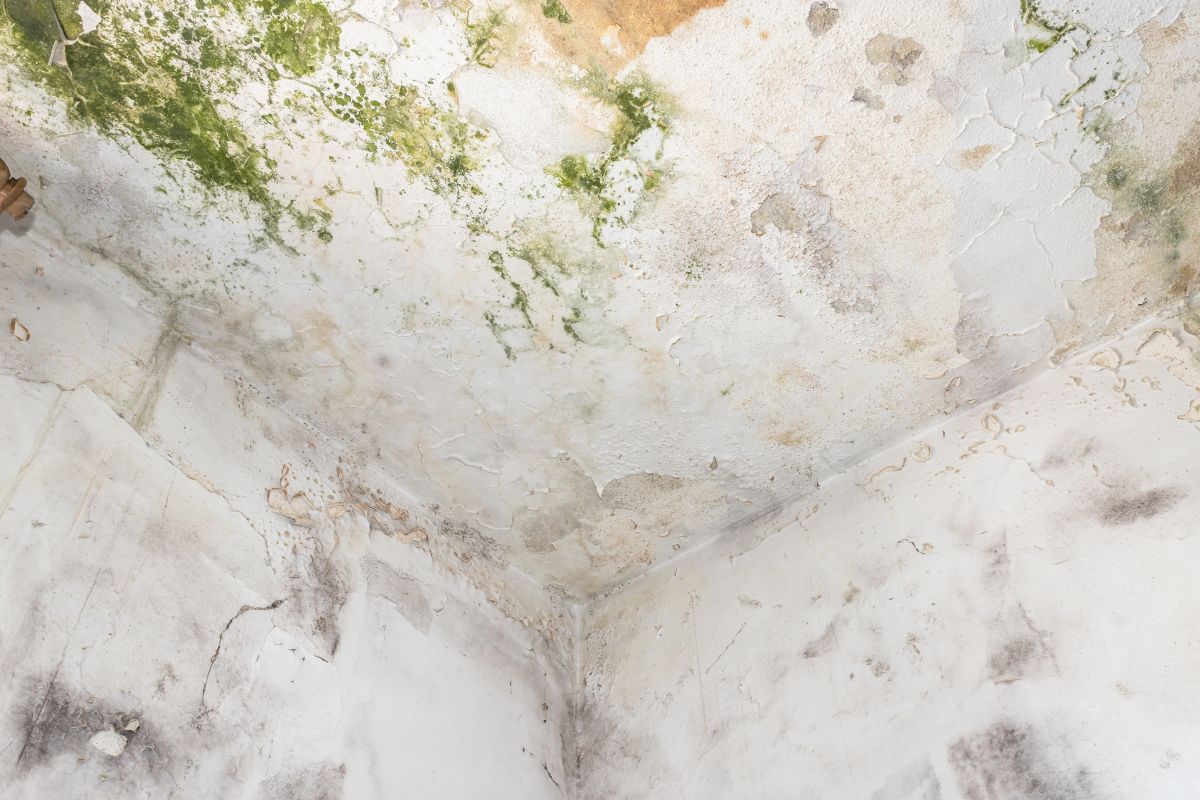
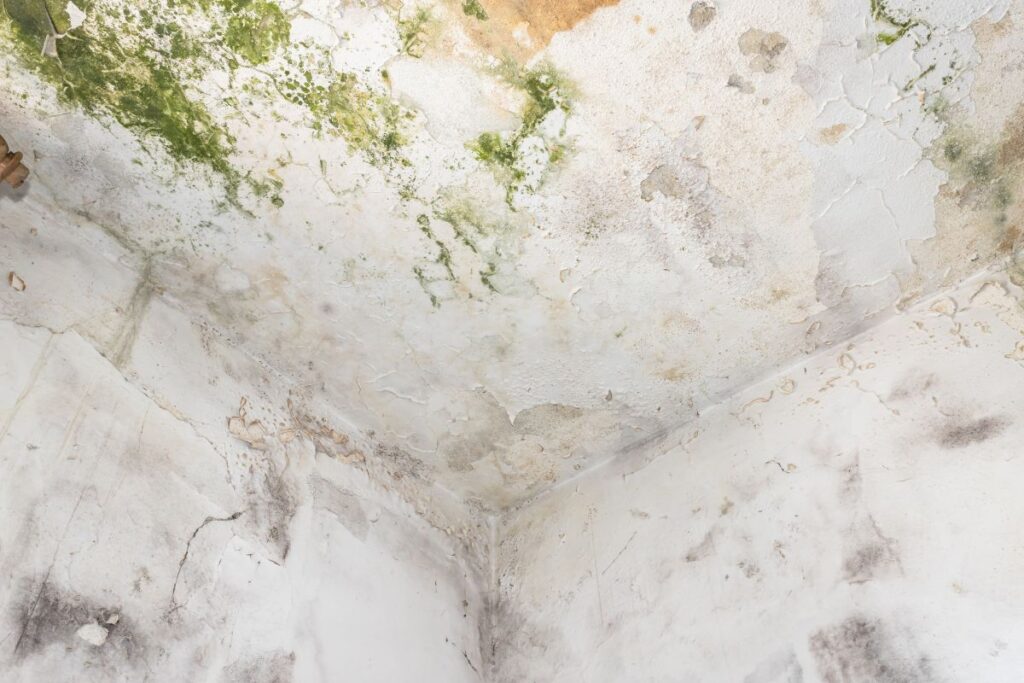
- Dark or discoloured spots on walls, ceilings, or around windows
- Dampness or water stains
- Worsening allergies or breathing problems indoors
Mould Identification
Not all mould looks the same. It may be green, black, white, or brown. Some types (like Stachybotrys chartarum, commonly called black mould) are more hazardous than others.
Asbestos vs Mould Issues
Homes built before the 1980s may contain asbestos. If mould is present on asbestos-containing materials, remediation must follow strict safety and disposal rules. This adds to the cost.
Key Factors That Influence Costs
| Factor | Impact |
|---|---|
| Size of the area | More surface area = more labour, materials, disposal |
| Type of mould | Some require specialized handling |
| Materials affected | Drywall, insulation, and carpets often need replacement |
| Location & access | Attics, crawl spaces, and basements are harder to treat |
| Moisture source | Fixing leaks or drainage issues adds to costs |
| Containment | Barriers, HEPA filters, and protective gear increase cost |
| Testing & inspection | Lab fees and air sampling add upfront expense |
| Disposal & regulation | Hazardous waste handling adds fees |
Typical Cost Ranges in Calgary
While each project is unique, here are general estimates:
| Situation | Estimated Cost (CAD) |
|---|---|
| Small patch in bathroom (~10 sq ft) | $800 – $1,500 |
| Basement wall mould (30–50 sq ft) | $2,500 – $5,000 |
| Crawl space mould + insulation | $4,000 – $8,000 |
| Full attic remediation | $8,000 – $15,000+ |
| Whole house mould after flooding | $15,000 – $30,000+ |
Breakdown of Cost Components
| Component | Description | Typical Cost |
|---|---|---|
| Inspection & testing | Visual + lab analysis | $300 – $800 |
| Labour & equipment | Technicians, containment, HEPA systems | Variable |
| Removal & cleanup | Demolition, antimicrobial treatment | $1,000+ |
| Repairs | Drywall, insulation, structural repair | Hundreds to thousands |
| Post-clearance testing | Ensures mould is gone | $200 – $600+ |
Mould & Asbestos Remediation Together
If asbestos is discovered during mould remediation:
- Specialized testing & abatement is required.
- Costs increase due to hazardous waste disposal.
- Jobs take longer and require stricter containment.
Insurance, Permits & Regulations in Calgary
- Insurance: Covered if mould results from a sudden event (like a burst pipe). Not covered if from neglect.
- Permits: Major demolition or asbestos abatement may require city permits.
- Regulations: Alberta Occupational Health & Safety laws apply to asbestos and mould handling.
DIY vs Hiring Professionals
| DIY | Professional |
|---|---|
| Low cost for very small jobs | Trained, certified, safer |
| Works for <10 sq ft surface mould | Handles hidden mould, large areas |
| Risk of missing hidden growth | Full containment & prevention |
| May worsen problem | Often backed by warranties |
Ways to Save Money
- Catch mould early before it spreads.
- Control moisture with dehumidifiers and leak repair.
- Get multiple quotes from certified contractors.
- Bundle restoration services with one provider.
- Use insurance coverage when available.
Frequently Asked Questions
How long does remediation take?
Small jobs: 1 day. Larger projects: several days to a week+.
Do I have to leave my home?
Not always, but for large or asbestos-involved projects, temporary relocation may be needed.
Can mould return?
Yes, if the moisture source isn’t fixed.
Does insurance cover mould remediation?
Only when caused by sudden events covered under your policy.
Conclusion
Mould remediation costs in Calgary range from $800 for small patches to $30,000+ for severe infestations. Prices depend on the size of the area, materials affected, presence of asbestos, and whether major repairs are needed.
At DKI Calgary, we provide full property restoration—including mould remediation, asbestos abatement, water and fire damage restoration, and contents cleaning. If you suspect mould in your home or business, contact our certified team for an inspection and a clear, honest estimate. Contact us today.