Some cleanup jobs are not just unpleasant — they are genuinely dangerous. Biohazard cleanup covers situations involving blood, bodily fluids, sewage, and other biological contaminants that can carry infectious diseases and require specialized training, equipment, and disposal to handle safely. For Calgary property owners facing a sewer backup, a trauma scene, an unattended death, or a hoarding situation, knowing when to step back and call certified professionals protects your health and your property. This 2026 guide explains what biohazard cleanup involves, when it is required, why it is not a DIY job, and what to expect from the process.
If you need help right now, DKI Calgary’s biohazard and crime scene cleanup services are available 24/7 at 1-888-272-9543, with certified technicians who handle every call discreetly.
Table of Contents
Key Takeaways
- Biohazard cleanup is the safe removal and decontamination of blood, bodily fluids, sewage, and other biological hazards.
- It is required after sewage backups, trauma and crime scenes, unattended deaths, hoarding situations, and infectious-disease exposure.
- These materials can carry bloodborne pathogens, so cleanup requires specialized PPE, disinfectants, and regulated waste disposal.
- Certified professionals follow industry standards and dispose of contaminated materials according to regulations — something DIY cleaning cannot match.
- Home insurance often covers professional biohazard cleanup, especially after a sudden event like a sewer backup.
What biohazard cleanup is
Biohazard cleanup is the professional process of removing, cleaning, and decontaminating areas affected by biological hazards that pose a risk to human health. This includes blood, bodily fluids, sewage, decomposition, and other potentially infectious materials. The goal is not just to make a space look clean, but to make it safe — eliminating pathogens and properly disposing of contaminated materials.
Because these materials can spread disease, biohazard cleanup is treated very differently from ordinary cleaning. It requires trained technicians, personal protective equipment, hospital-grade disinfectants, and adherence to strict handling and disposal rules. When a sewer backup or other event introduces contaminated water, it overlaps with our water and flood damage restoration work, since the contamination and the moisture both have to be addressed.
Situations that require biohazard cleanup
Biohazard cleanup is required any time a space is contaminated with biological material that could endanger health. Some situations are obvious; others surprise people. The most common in Calgary homes and businesses include the following.
| Situation | Why it’s a biohazard |
|---|---|
| Sewage backups | Category 3 “black water” carries bacteria and viruses |
| Trauma and accidents | Blood and fluids can carry bloodborne pathogens |
| Unattended deaths | Decomposition releases hazardous fluids and odour |
| Hoarding cleanups | May involve waste, mould, and pathogens |
Infectious-disease decontamination and animal-waste cleanup also fall under biohazard work. A sewer backup is the situation most Calgary homeowners encounter, and it is genuinely hazardous — our guide on what to do after a sewer backup explains why that “black water” should never be handled without protection, and our overview of water damage categories shows where it falls on the contamination scale.
Why biohazard cleanup is not a DIY job
The biggest reason to leave biohazard cleanup to professionals is health risk. Blood and bodily fluids can carry bloodborne pathogens such as hepatitis B, hepatitis C, and HIV, and sewage carries bacteria, viruses, and parasites. Cleaning these without proper protective equipment and disinfectants can expose you and your family to serious illness.
There is also the matter of doing it completely. Contaminants soak into porous materials, spread through a space, and linger as odour long after surfaces look clean. Professionals know what must be removed versus what can be saved, how to disinfect to a verifiable standard, and how to legally dispose of regulated biohazardous waste — which cannot simply go in your household garbage. For context on safe handling of biological hazards, the Canadian Centre for Occupational Health and Safety outlines why these materials demand specialized precautions.
How professional biohazard cleanup works
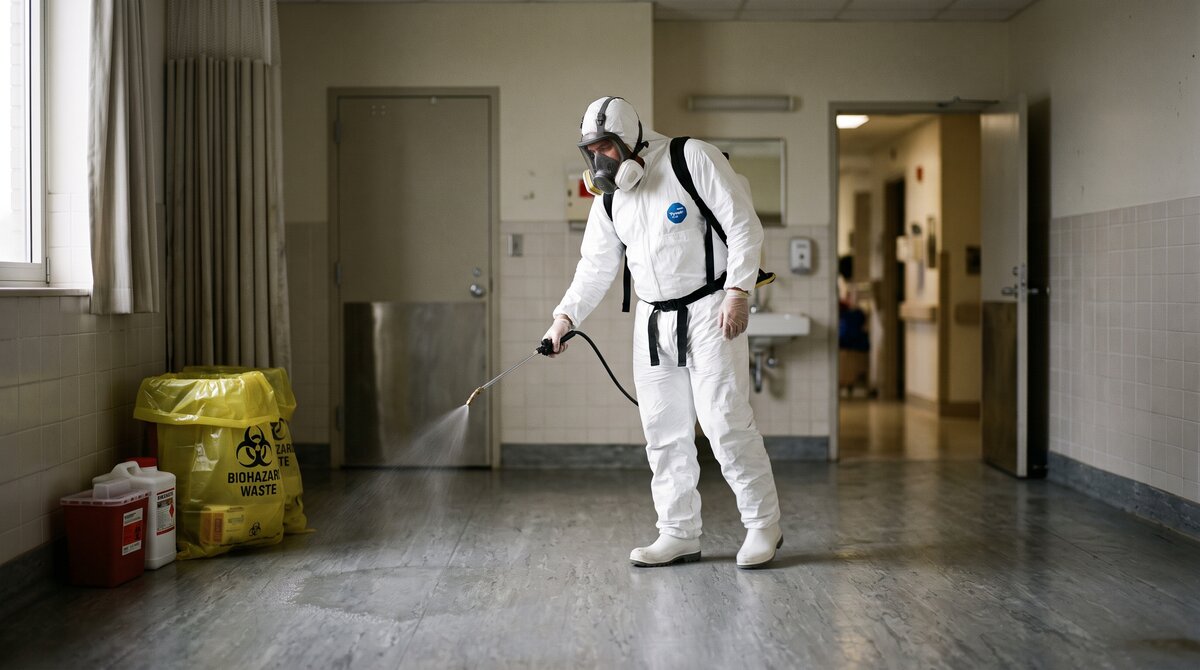
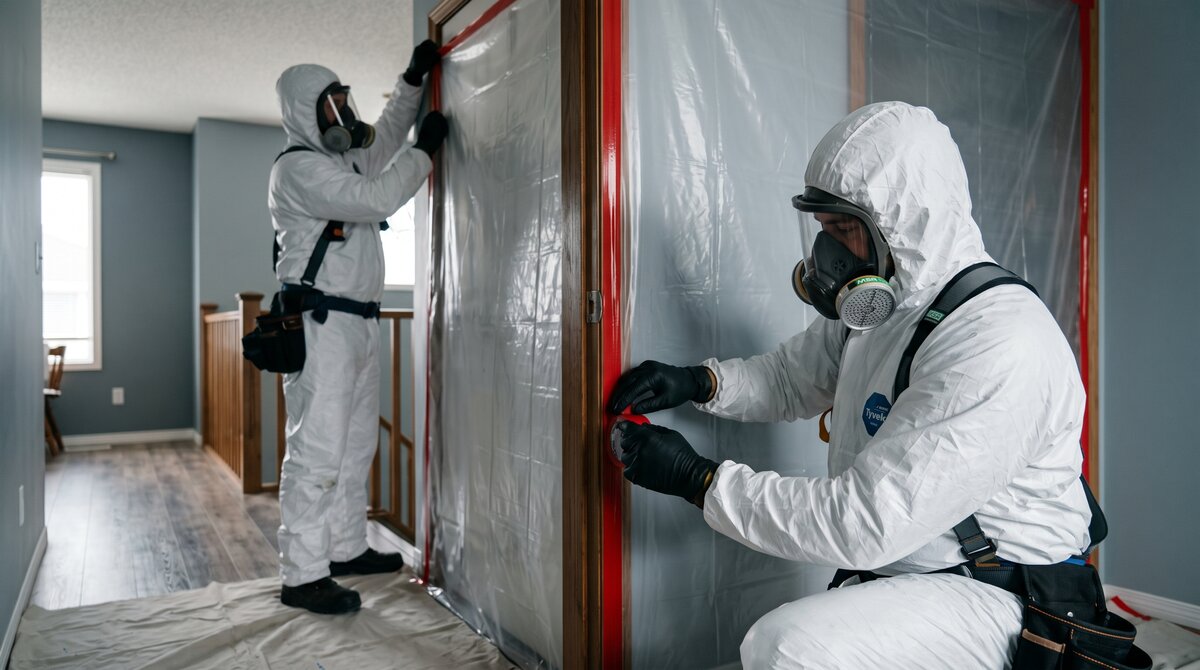
Professional biohazard cleanup follows a careful, methodical process designed to make a space safe and prevent cross-contamination. It begins with an assessment of the affected area and a containment plan to stop hazards from spreading to clean parts of the property.
Technicians in full protective equipment then remove contaminated materials, clean and disinfect all affected surfaces with hospital-grade products, and deodorize to eliminate lingering smells. Non-salvageable porous materials are removed and disposed of as regulated waste, and the area is verified as decontaminated before being returned to use. Because this work is handled discreetly and compassionately, especially in trauma or loss situations, it lets families and businesses recover without facing the cleanup themselves. When the event also caused structural or contents damage, our residential restoration services handle the repairs and contents restoration as part of the same project.
Does insurance cover biohazard cleanup?
In many cases, yes — home insurance often covers professional biohazard cleanup, particularly when it results from a sudden, accidental event such as a sewer backup or an in-home accident. Coverage varies by policy, and some situations require specific endorsements, so it is important to review your policy and document everything.
A professional restoration company can work directly with your insurer, providing the documentation and itemized records adjusters require, which speeds up your claim and reduces stress. Understanding how the claims process flows helps — our guides on how a property insurance claim works and what property damage insurance actually covers walk through what to expect and how to protect your claim.
How to choose a biohazard cleanup company
Choose a company that is certified, experienced, available around the clock, and discreet. Biohazard situations are often emergencies and frequently sensitive, so response time and professionalism matter as much as technical skill. Look for proper certification, adherence to industry standards, transparent communication, and the ability to coordinate with your insurer.
You should also look for a company that handles the entire recovery, not just the cleanup — because biohazard events often come with water damage, odour, and structural repairs that are best managed under one roof. Our broader guide on how to choose a restoration company in Calgary covers the questions worth asking before you hire anyone for sensitive work like this.
Why DKI Calgary is the right choice for biohazard cleanup
DKI Calgary is part of North America’s largest disaster restoration network, serving Calgary and surrounding communities with certified, 24/7 emergency response. Biohazard cleanup demands more than equipment — it demands training, discretion, and compassion, and our technicians bring all three to sensitive situations like trauma scenes, unattended deaths, sewage contamination, and hoarding cleanups.
Because we handle biohazard decontamination, water and sewage cleanup, deodorization, contents restoration, and structural repair in-house, your property is treated as one continuous recovery rather than handed between contractors. We follow industry standards, dispose of regulated waste correctly, document everything for your insurer, and work quietly and respectfully throughout. Local, certified, and available any hour, we handle what no one should have to face alone.

Conclusion
Biohazard cleanup is one of those jobs where the right answer is almost always to call a professional. Blood, sewage, and other biological hazards carry real health risks, require specialized equipment and disinfectants, and must be disposed of under strict rules — none of which DIY cleaning can match. Whether it is a sewer backup, a trauma scene, or a hoarding situation, certified technicians make the space safe, handle the work discreetly, and coordinate with your insurer. If you are facing a biohazard situation in Calgary, step back, stay safe, and let trained professionals take it from here.
Frequently Asked Questions
What is biohazard cleanup?
Biohazard cleanup is the professional removal and decontamination of biological hazards such as blood, bodily fluids, sewage, and decomposition. It uses specialized protective equipment, hospital-grade disinfectants, and regulated waste disposal to make a contaminated space safe again.
When do I need professional biohazard cleanup?
You need it after sewage backups, trauma or accidents involving blood, unattended deaths, hoarding situations, and infectious-disease exposure. Any time a space is contaminated with potentially infectious biological material, professional cleanup protects your health and ensures proper disposal.
Why can’t I clean up a biohazard myself?
Blood and sewage can carry bloodborne pathogens and dangerous bacteria, and contaminants soak into materials and linger as odour. Without proper PPE, disinfectants, and regulated disposal, DIY cleaning risks serious illness and rarely fully decontaminates the area.
Does insurance cover biohazard cleanup?
Often yes, especially when the biohazard results from a sudden, accidental event like a sewer backup or in-home accident. Coverage varies by policy, so review your terms. A restoration company can document the work and bill your insurer directly to simplify the claim.
Is sewage cleanup considered a biohazard?
Yes. Sewage is classified as Category 3 “black water” because it carries bacteria, viruses, and parasites. It should never be handled without protection, and contaminated porous materials usually must be removed and disposed of rather than cleaned and reused.