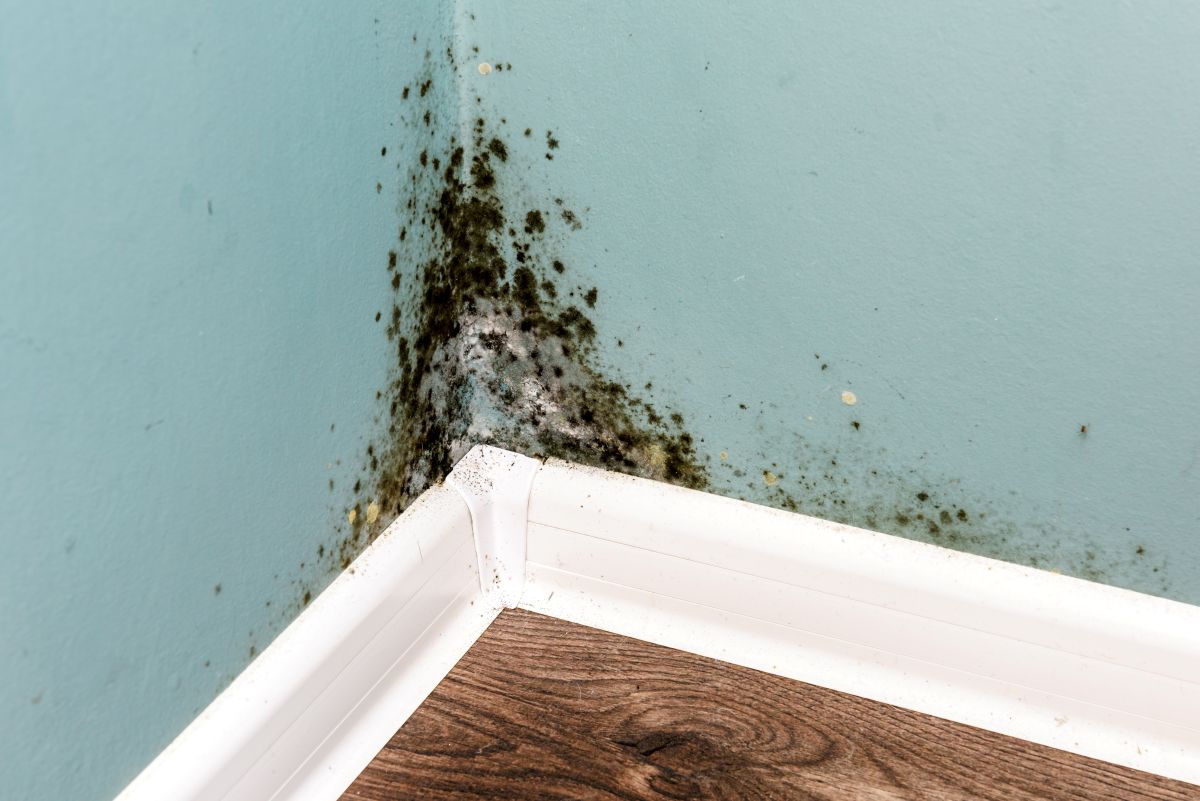
Mould is one of the most misunderstood—and underestimated—problems facing Calgary homeowners. While mould often begins quietly behind walls, under flooring, or inside attics, its impact on your health, property value, and indoor air quality can be severe if left untreated. Many homeowners ask the same question once they notice musty odours, discoloration, or unexplained health symptoms:
Is mould dangerous?
The short answer is yes. Mould can pose serious health risks, compromise structural materials, and lead to costly property damage if not addressed quickly and professionally. In Calgary’s climate—where snowmelt, spring flooding, summer storms, and winter condensation are common—mould growth is an ongoing concern for residential and commercial properties alike.
This comprehensive guide from DKI – Calgary, a trusted leader in disaster and property restoration across Calgary and surrounding areas, explains everything homeowners need to know about mould: health risks, identification, causes, remediation, prevention, and how mould often overlaps with other restoration issues such as water damage, asbestos, and smoke odours.
Table of Contents
- Understanding What Mould Is and Why It Grows
- Is Mould Dangerous to Your Health?
- Toxic Mould: Separating Fact from Fear
- Mould Identification: Warning Signs Calgary Homeowners Should Not Ignore
- How Water Damage and Flooding Lead to Mould Growth
- Mould and Asbestos: A Critical Safety Concern in Older Calgary Homes
- The Mould Remediation Process: What Homeowners Can Expect
- Smoke Damage and Mould: Why Odour Removal Matters
- Preventing Mould Growth in Calgary Homes
- When to Call DKI – Calgary
- Final Thoughts: Is Mould Dangerous?
Understanding What Mould Is and Why It Grows
Mould is a type of fungus that reproduces through microscopic spores present in both indoor and outdoor air. These spores are harmless in small quantities, but when they land on damp surfaces, they can begin to grow and multiply rapidly.
Common Conditions That Lead to Mould Growth
Mould thrives when three elements are present:
- Moisture
- Organic material (wood, drywall, insulation, fabric)
- Limited airflow
In Calgary homes, mould commonly develops due to:
- Flooding or water damage
- Leaking roofs, pipes, or appliances
- Poor ventilation in bathrooms and kitchens
- Condensation in basements and crawl spaces
- Ice damming during winter
- Inadequate drying after fire suppression efforts
Once moisture is present, mould can begin growing in as little as 24 to 48 hours, making rapid response critical.
Is Mould Dangerous to Your Health?
Yes—mould can be dangerous, particularly for vulnerable individuals. While some people experience mild symptoms, others may develop serious health complications from prolonged exposure.
Common Health Effects of Mould Exposure
- Persistent coughing or wheezing
- Nasal congestion and sinus irritation
- Eye, skin, and throat irritation
- Headaches and fatigue
- Aggravation of asthma symptoms
High-Risk Individuals
Certain populations are more susceptible to mould-related health issues:
- Children and infants
- Seniors
- Individuals with asthma or respiratory conditions
- People with compromised immune systems
- Those with mould allergies
In severe cases, long-term exposure to mould can contribute to chronic respiratory illness and long-lasting inflammation.
Toxic Mould: Separating Fact from Fear
One of the most common concerns among homeowners is “toxic black mould.” While Stachybotrys chartarum—often referred to as black mould—can produce harmful mycotoxins, it is important to understand that any mould growth indoors is a problem, regardless of colour or species.
Key Facts About Toxic Mould
- Colour alone does not determine toxicity
- All indoor mould should be professionally assessed
- Disturbing mould without proper containment can worsen exposure
- DIY removal often spreads spores throughout the home
At DKI – Calgary, certified mould remediation specialists follow industry-approved protocols to safely contain, remove, and remediate mould-affected areas.
Mould Identification: Warning Signs Calgary Homeowners Should Not Ignore
Early mould identification is essential to minimizing damage and health risks.
Visible Signs of Mould
- Black, green, or white spotting on walls or ceilings
- Discolouration around windows or baseboards
- Warped drywall or bubbling paint
Hidden Warning Signs
- Persistent musty or earthy odours
- Increased allergy symptoms indoors
- Peeling wallpaper
- Condensation buildup
- Unexplained respiratory irritation
Because mould often grows behind walls or under flooring, professional inspection is often necessary to confirm the extent of contamination.
How Water Damage and Flooding Lead to Mould Growth
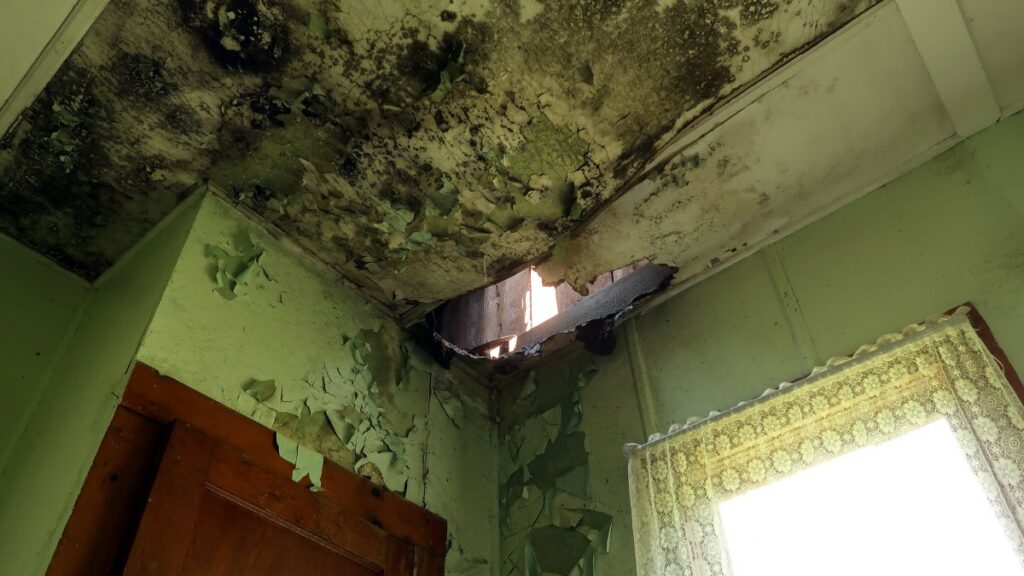
Water damage is the leading cause of mould infestations in Calgary properties. Whether from spring flooding, burst pipes, appliance failures, or storm runoff, moisture intrusion creates ideal conditions for mould growth.
Why Professional Water Damage Restoration Matters
Quick water extraction and structural drying prevent mould from taking hold. Delayed or incomplete drying dramatically increases the risk of mould contamination.
DKI – Calgary provides:
- Emergency water extraction
- Industrial-grade drying and dehumidification
- Moisture detection and monitoring
- Full property restoration services
Mould and Asbestos: A Critical Safety Concern in Older Calgary Homes
Many older Calgary homes contain asbestos in drywall, insulation, flooring, or ceiling materials. When mould affects asbestos-containing materials, improper handling can release dangerous fibres into the air.
Why Professional Asbestos Abatement Is Essential
- Asbestos exposure is linked to serious lung disease
- Disturbing contaminated materials without certification is unsafe
- Alberta regulations require licensed professionals
DKI – Calgary is fully qualified to perform asbestos testing, abatement, and mould remediation, ensuring your home is restored safely and compliantly.
The Mould Remediation Process: What Homeowners Can Expect
Professional mould remediation is far more than surface cleaning.
Step-by-Step Mould Remediation
- Inspection and assessment
- Containment of affected areas
- Air filtration using HEPA systems
- Safe removal of contaminated materials
- Cleaning and antimicrobial treatment
- Structural drying and moisture control
- Restoration of affected areas
This comprehensive approach ensures mould does not return and that indoor air quality is restored.
Smoke Damage and Mould: Why Odour Removal Matters
Many Calgary homeowners are surprised to learn that mould remediation often overlaps with smoke and odour removal, especially after fires or combined water-and-fire events.
Smoke Odours and Clothing: Comprehensive Removal Guide
Smoke particles embed deeply into fabrics, making standard washing ineffective.
Effective Methods for Removing Smoke Smell from Clothing
- Professional ozone treatment
- Thermal fogging
- Ultrasonic cleaning
- Specialized deodorization detergents
- Controlled drying and sealing
DIY methods like vinegar or baking soda may mask odours temporarily but rarely remove smoke contamination fully.
DKI – Calgary’s contents restoration and cleaning services ensure clothing, furniture, and personal belongings are restored safely and effectively.
Preventing Mould Growth in Calgary Homes
While not all mould is preventable, proactive measures significantly reduce risk.
Practical Prevention Tips
- Repair leaks immediately
- Maintain proper ventilation
- Use dehumidifiers in basements
- Ensure proper grading around foundations
- Address condensation issues promptly
- Schedule professional inspections after water damage
When to Call DKI – Calgary

You should contact a professional restoration company if:
- Mould covers more than 10 square feet
- You suspect hidden mould
- There is a history of water damage
- Asbestos may be present
- Health symptoms worsen indoors
Why Choose DKI – Calgary
- Certified mould and asbestos specialists
- 24/7 emergency response
- Advanced remediation technology
- Insurance-approved restoration services
- Local expertise backed by national DKI Canada standards
Final Thoughts: Is Mould Dangerous?
Mould is not just a cosmetic issue—it is a serious property and health concern. Left untreated, mould can compromise indoor air quality, damage structural materials, and put your family’s well-being at risk.
If you suspect mould in your Calgary home, early professional intervention is the safest and most cost-effective solution.
DKI – Calgary is your trusted partner for mould remediation, asbestos abatement, water damage restoration, smoke odour removal, and full property restoration across Calgary and surrounding communities.